
What attachment wounds can actually feel like (even if your childhood looked fine).
Maybe lately, life has started feeling… heavier.
Not catastrophic.
Not falling apart.
Just harder than it used to.
You're functioning. Showing up. Getting things done. People probably still see you as a capable, thoughtful person — but you sometimes question how you keep everything moving.
And still — something feels off.
You're tired in a way rest doesn't quite fix.
Relationships feel harder than they should.
You keep repeating patterns you swore you'd stop repeating.
Over thinking.
Over giving.
Questioning yourself.
Ruminating.
Feeling deeply responsible for everyone else while quietly losing touch with what you actually need.
Or maybe life simply no longer fits in the way it used to. The things that once worked suddenly feel exhausting.
And if we're being honest? That can feel deeply confusing — especially when you've already done so much work on yourself.
Because maybe you've read the books. Listened to the podcasts. Built self-awareness. You understand why you do the things you do.
And still, some version of the same struggles keeps showing up. The same dynamics. The same fears. The same ways of abandoning yourself to stay connected.
If this feels familiar, I want to gently offer another possibility:
What if nothing is inherently wrong with you? What if some of the ways you've been struggling actually make perfect sense?
Because many of us learned ways of adapting that were incredibly intelligent. Ways of staying loved. Safe. Connected. Needed. Ways of becoming who we had to become in order to navigate relationships, expectations, family systems, and a world that didn't always feel safe to fully be our authentic selves.
Maybe you learned to be easy.
To not need too much.
To over-function.
To anticipate everyone else's emotions before your own.
Maybe achievement became safety.
Maybe hyper-independence became protection.
Maybe people pleasing helped keep the peace.
Maybe anxiety became the thing that helped you stay one step ahead, safe.
And at one point, these strategies may have worked. They may have protected you. Helped you cope. Helped you belong.
But eventually, many of us reach a moment where old ways of surviving stop fitting the life we're trying to build.
You begin moving into your power. Wanting healthier relationships. Stronger boundaries. More honesty. More rest. More room to actually be yourself.
And suddenly the things that once protected you begin quietly keeping you stuck. Because patterns that were once adaptive can start feeling deeply maladaptive once you've outgrown the version of yourself that needed them.
And maybe that's the real question. Not: What is wrong with me? But: What rules did I learn for surviving — and do they still belong in the life I'm trying to build?
When Survival Stops Feeling Aligned
Sometimes the hardest part about healing is realizing that the things which once protected you are now the very things making life feel harder.
You notice it in relationships. You want closeness, but somehow still find yourself shape-shifting to keep the peace. Over-explaining. Over-giving. Quietly abandoning yourself to avoid disappointing someone else.
You say yes when you mean no.
You anticipate everyone's needs while struggling to identify your own.
You overthink texts.
Question yourself.
Take responsibility for things that were never yours to carry.
Or maybe you've become so good at being independent that asking for support feels deeply uncomfortable.
You're capable. Self-aware. High functioning. And quietly exhausted.
Because protective strategies can start feeling heavy once you're no longer simply trying to survive. Especially when you're moving into your power.
Because growth asks something uncomfortable of us: to stop outsourcing our safety. To stop shrinking. To stop reenacting old wounds in the ways we relate to ourselves and others.
And if you're bumping up against old patterns right now, I want you to know something: this does not mean you are failing. Sometimes it simply means the version of you that needed these strategies is no longer the version of you trying to lead your life.
Sometimes Motherhood Changes the Story
For many women, becoming a mother quietly changes the way they understand themselves. And sometimes — the way they understand their own childhood.
Not because everything was terrible. Not because there wasn't love. But because loving your child can suddenly illuminate things you didn't fully have language for before.
You comfort them when they cry.
Repair after hard moments.
Notice their fears.
Celebrate their emotions.
Hold space for their tenderness.
And sometimes, without expecting it, motherhood changes the story. Because somewhere in the background, a quiet realization begins surfacing: children actually need so much softness. So much patience. So much emotional attunement.
And sometimes there is grief in realizing: I deserved this too.
Sometimes motherhood asks us to grieve the version of ourselves that learned to survive without the tenderness we now so freely offer our children.
Maybe you begin noticing the ways you learned to stay small. To self-soothe. To overperform. To not ask for too much. To become incredibly good at surviving emotionally without ever fully feeling safe.
Sometimes motherhood changes the story because it shows us — not only what we needed — but also what becomes possible. A chance to choose differently. A chance to soften patterns that may have travelled through generations. A chance to become more intentional than what we inherited.
And if this part feels tender, complicated, or even disorienting: you are not alone.
Becoming the Cycle Breaker
Here's the hard truth: many of our caregivers were adapting too. Carrying wounds they never had language for. Living by rules they inherited. Protective strategies that may have helped them cope but unintentionally shaped the way they loved, connected, or parented.
Understanding this does not erase impact. And it does not mean you have to minimize your experience.
But sometimes it allows for a different kind of compassion. The kind that says: I understand why this happened. And also: I don't want to keep carrying it forward.
Because healing family-of-origin wounds and generational trauma is deeply courageous work. It asks us to pause. To notice. To grieve. To become curious. To stop repeating patterns that no longer feel aligned.
And perhaps most importantly: to choose differently. Even when different feels unfamiliar. Especially then.
If you are learning boundaries, questioning old dynamics, grieving unmet needs, becoming more emotionally attuned, trying to parent differently, or simply learning how to trust yourself again — that matters. Quietly. Profoundly.
That is the work of becoming a cycle breaker.
Healing Through Safe Relationship
One of the hardest parts about healing attachment wounds is this: many of the places we learned survival happened in relationship. Which means healing often asks for relationship too.
Not performative relationship. Not relationships where you have to shrink, over-function, or earn belonging. But safe enough relationship.
The kind where you don't have to shape-shift to be accepted. Where your emotions are not "too much". Where curiosity replaces judgment. Where you can slowly begin practicing something different.
As a Trauma Attachment Specialist, I believe healing happens not only through insight, but through experience.
Therapy can become a kind of pause from the outside world. A space separate from all the ways you've had to become hypervigilant in order to cope. A space to stop performing. Stop over-explaining. Stop proving.
And begin asking: Who might I become if I no longer had to survive this way?
Because healing is rarely about becoming someone entirely different. Sometimes it's about coming back to yourself.
You Were Never Broken
Maybe healing isn't about becoming someone new. Maybe healing is about loosening the grip of old rules that no longer fit.
Learning to trust yourself.
Taking up more space.
Building relationships that feel safer. Softer. More reciprocal.
And remembering: you are allowed to stop surviving in ways that no longer fit the woman you are becoming.
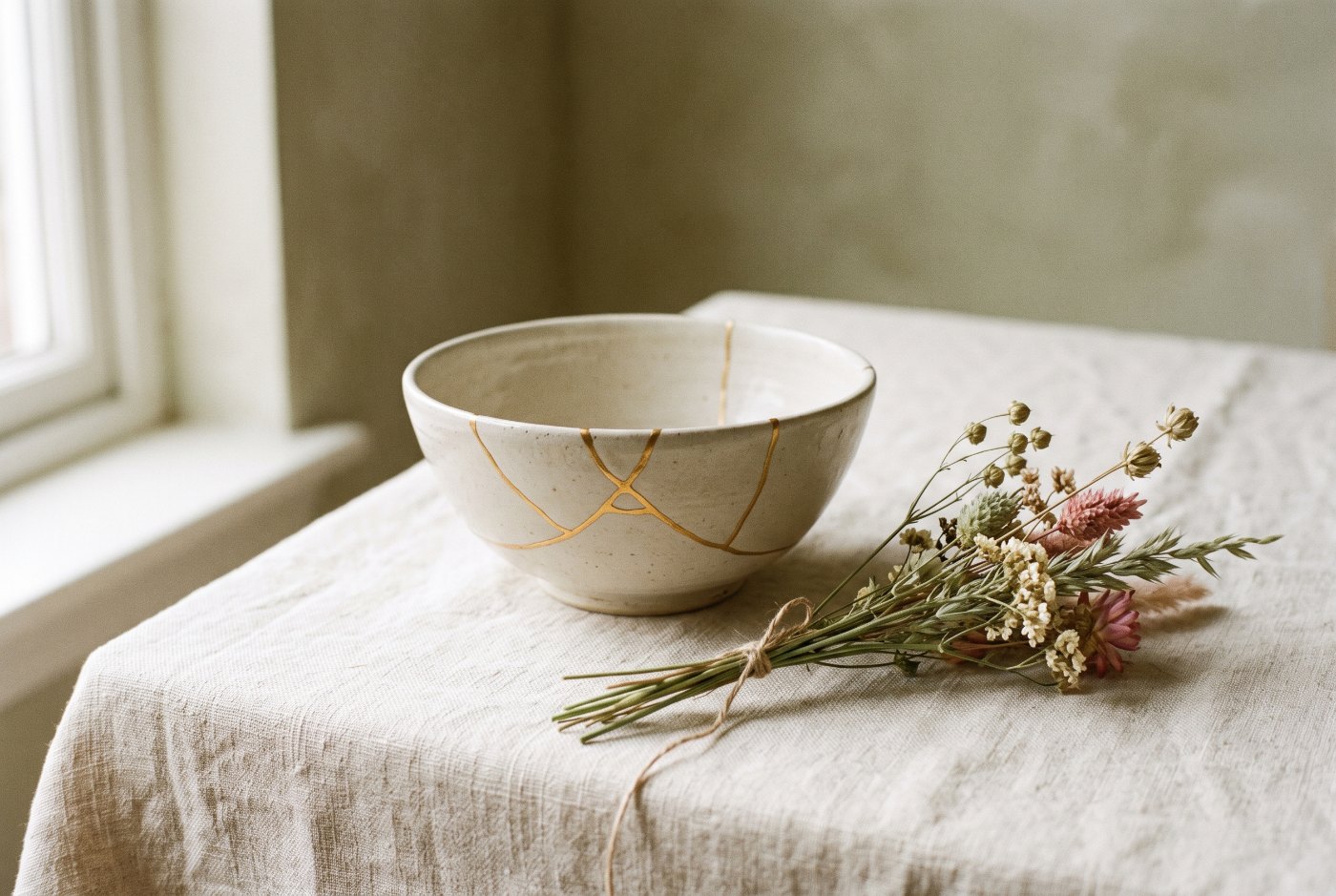
Because you were never broken. Some parts of you simply became very good at protecting you.
And maybe now? They're ready for something different. Something gentler. Something more aligned. Something that feels like coming home to yourself.
If this resonated with you…
I offer attachment-focused and trauma-informed therapy across Ontario for women navigating attachment wounds, anxiety, burnout, relationship patterns, family-of-origin healing, motherhood, identity shifts, and the complicated work of becoming more fully themselves.
Book your free 30-minute consultation — think of it as a no-pressure vibe check. A space to ask questions, get a feel for how I work, and see whether working together feels aligned.